
Choosing the Right Umbrella: A Comprehensive Guide
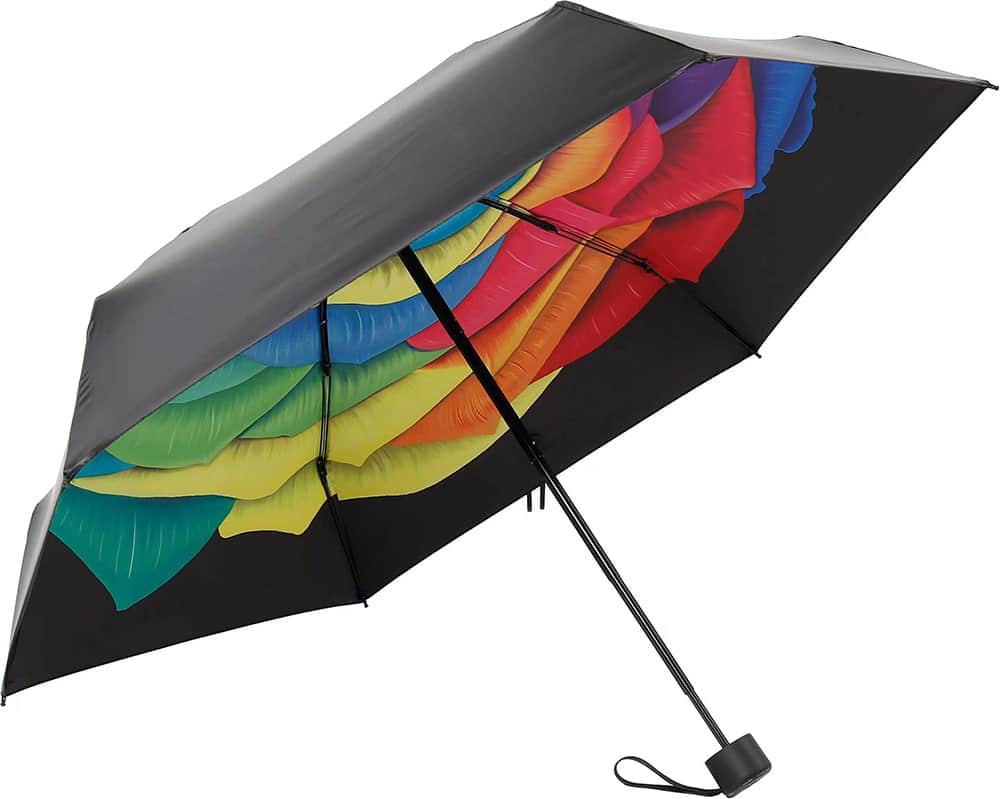
Choosing the Right Umbrella: A Comprehensive Guide Date Choosing the right umbrella might seem like a simple task, but there are several factors to consider to ensure that you stay dry and comfortable during rainy or sunny days. In this comprehensive guide, we will explore various aspects to help you make an informed decision when selecting the perfect umbrella. 1. Type of Umbrella: – 1.1 Compact Umbrella: These are small, foldable umbrellas that are easy to carry in a purse or bag. They’re convenient for on-the-go use. – 1.2 Standard Umbrella: These are larger, more robust umbrellas ideal for protecting you from heavy rain and wind. They are less portable but offer better coverage. 2. Purpose: – 2.1 Rain Umbrella: Designed to protect you from rain. Look for waterproof materials and wind-resistant features. – 2.2 Sun Umbrella: Designed to provide shade and protect you from the sun’s harmful UV rays. Look for UV-coated fabrics. 3. Size: – 3.1 Compact umbrellas are typically around 6-9 inches when folded and 30-42 inches when open. – 3.2 Standard umbrellas range from 42 to 68 inches when open. 4. Materials: – 4.1 Canopy Fabric: High-quality materials like polyester, nylon, or Pongee are durable and waterproof. For sun protection, look for UV-coated materials. – 4.2 Frame: A sturdy frame is crucial. Materials like fiberglass, aluminum, and steel are common choices. 5. Durability: – Consider the build quality, especially if you need an umbrella for frequent use. Reinforced ribs and a strong canopy are essential for longevity. 6. Wind Resistance: – Look for umbrellas with wind-resistant features, such as vented canopies or double-layered designs. These are less likely to flip inside out in strong winds. 7. Auto Open/Close: – Many umbrellas have a button for automatic opening and closing. This feature can be convenient when you need to quickly shield yourself from the rain. 8. Handle Type: – Comfortable handles are important for ease of use. Options include straight handles, curved handles, and ergonomic grips. 9. Weight: – Consider the weight if you plan to carry the umbrella for extended periods. Lighter options are more convenient for travel. 10. Price: – Umbrella prices can vary widely. While budget options are available, investing in a high-quality umbrella can be a wise choice for durability and long-term use. 11. Design and Style: – Choose a design and color that suits your personal taste. Many umbrellas come in a variety of patterns and colors. 12. Additional Features: – Some umbrellas come with extras like a built-in flashlight, reflective strips for safety, or a carrying case for easy storage. 13. Brand Reputation: – Consider well-established brands with a history of producing quality umbrellas. Read reviews and seek recommendations from friends or online communities. 14. Warranty: – Check if the umbrella comes with a warranty, as this can provide peace of mind regarding product quality. 15. Maintenance: – Properly care for your umbrella by letting it dry fully before storing it, and periodically clean the canopy to prevent mold and mildew. In conclusion, choosing the right umbrella depends on your specific needs, budget, and personal preferences. Whether you need protection from the rain or sun, a well-considered purchase can keep you dry and comfortable for years to come. Remember to consider the factors mentioned above to make an informed choice that suits your lifestyle. GET A QUOTE More articles
What is the difference between stick umbrella and golf umbrella
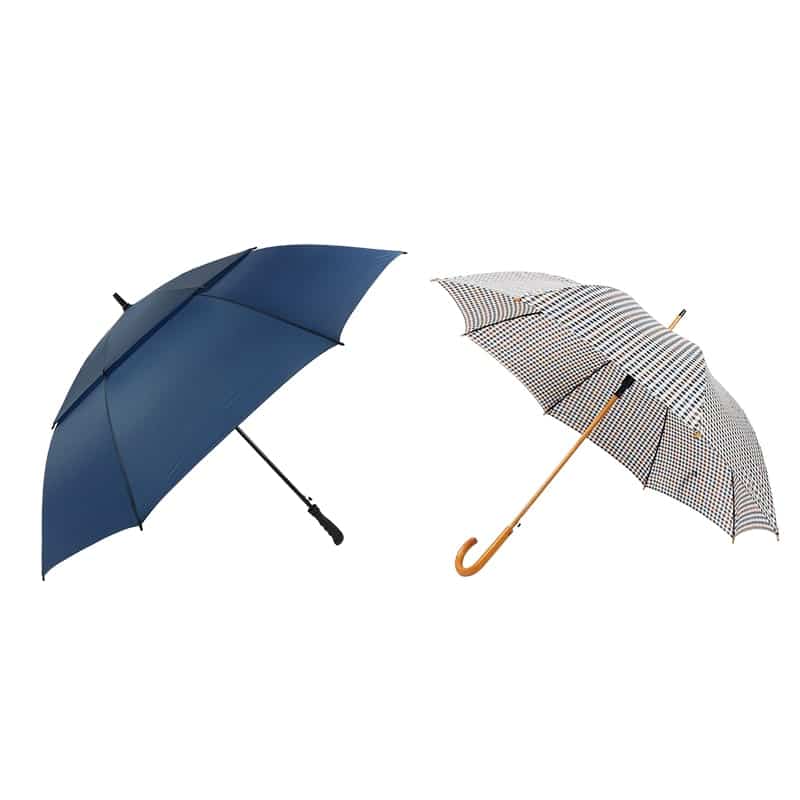
What is the difference between stick umbrella and golf umbrella Date Stick umbrellas and golf umbrellas are two common types of umbrellas, and they differ primarily in terms of their size, design, and intended purpose. Here are the key differences between the two: Size:Stick Umbrella: Stick umbrellas are typically smaller and more compact, designed to be easily carried in hand or stored in a bag. They have a shorter shaft and a smaller canopy, making them convenient for everyday use.Golf Umbrella: Golf umbrellas are significantly larger, featuring a much wider canopy and a longer shaft. They are designed to provide more extensive coverage and protection, suitable for use on a golf course or in heavy rain. Canopy Shape:Stick Umbrella: Stick umbrellas often have a more traditional, circular canopy shape.Golf Umbrella: Golf umbrellas usually have a wider, often square or rectangular canopy shape. This design helps protect not only the person holding the umbrella but also their golf bag or equipment. Intended Use:Stick Umbrella: Stick umbrellas are designed for general use and are suitable for everyday rain protection when you need a portable and compact umbrella.Golf Umbrella: Golf umbrellas are specifically designed for use on golf courses, but they are also favored for other outdoor activities or when you need to provide shelter to multiple people, such as during heavy rain or at sporting events. Durability:Stick Umbrella: Stick umbrellas are usually more lightweight and may not be as durable as golf umbrellas. They are designed for occasional use and are not built to withstand strong winds. Golf Umbrella: Golf umbrellas are typically more robust and sturdier. They often feature reinforced frames and can better withstand wind and adverse weather conditions. Handle and Grip:Stick Umbrella: Stick umbrellas typically have a straight or slightly curved handle, which is comfortable for single-person use.Golf Umbrella: Golf umbrellas often feature a longer, more ergonomic handle designed to be held with two hands, making them easier to manage in windy conditions.In summary, the main differences between stick umbrellas and golf umbrellas lie in their size, design, and intended use. Stick umbrellas are smaller, more portable, and suitable for everyday use, while golf umbrellas are larger, sturdier, and designed for outdoor activities such as golfing, where extended coverage is needed. GET A QUOTE More articles
Umbrella Handle
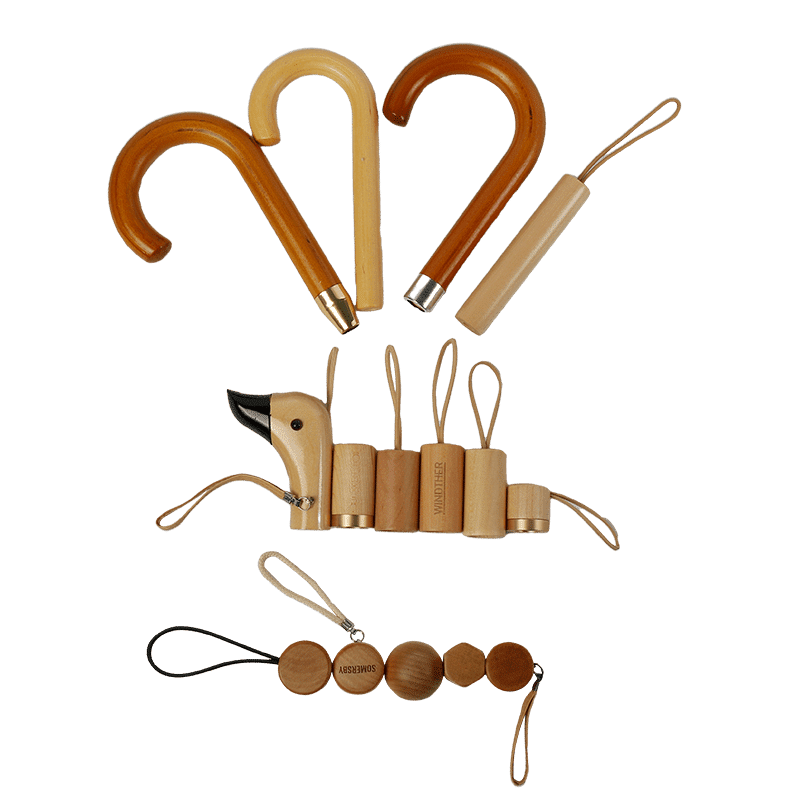
Umbrella Handle Date Umbrella handles come in various types, and the choice of handle often depends on personal preference, functionality, and style. Here are some common types of umbrella handles: Straight Handle: This is the most traditional and common type of umbrella handle. It is a straight, cylindrical handle that provides a classic look and is easy to grip. Hook Handle: Hook handles, also known as J handles, have a curved shape that resembles the letter “J.” They are designed to be hung over the arm, making them convenient for hands-free use.Cane Handle: Cane handles are similar to the handles of walking canes. They offer a stylish and ergonomic grip, which can be more comfortable for extended use.Automatic Open/Close Button Handle: Some modern umbrellas have handles with buttons that allow for automatic opening and closing. These handles are often ergonomic and easy to use.Grip Handle: Grip handles are designed with a contoured shape to fit comfortably in the hand. They offer a secure grip and are often found on golf umbrellas.Kids’ Character Handles: Umbrellas designed for children often feature fun and colorful handles shaped like characters, animals, or objects, making them appealing to kids.Foam Handle: Some umbrellas have handles covered with foam or rubber material to provide a soft and comfortable grip, which can be especially useful in wet conditions.Wooden Handle: Wooden handles can add a touch of elegance to an umbrella. They are often seen on high-quality, luxury umbrellas.Customized Handles: Some umbrellas allow for customized handles, where you can choose the material, shape, and even add your initials or a logo for a personalized touch.The choice of handle type can affect not only the aesthetics of the umbrella but also its comfort and ease of use. Consider your preferences and needs when selecting the right handle for your umbrella. GET A QUOTE More articles How umbrellas are made: a comprehensive guide How umbrellas are made: a comprehensive guide Elena • January 26, 2024 • Uncategorized Introduction Umbrellas are a fundamental tool that protects us from the rain, sun, and harsh weather conditions. We often take them for … The best umbrellas for sunny days The best umbrellas for sunny days Elena • January 4, 2024 • Uncategorized When it comes to sunny weather, most people immediately think of sunglasses and sunscreen, but the often-overlooked accessory that can truly make … Rainy Day Fashion: Stylish Umbrella Options for Every Season Rainy Day Fashion: Stylish Umbrella Options for Every Season Elena • November 18, 2023 • Uncategorized Rainy Day Fashion: Stylish Umbrella Options for Every Season Date Rainy days don’t have to be dull and dreary. You can stay …
Canopy
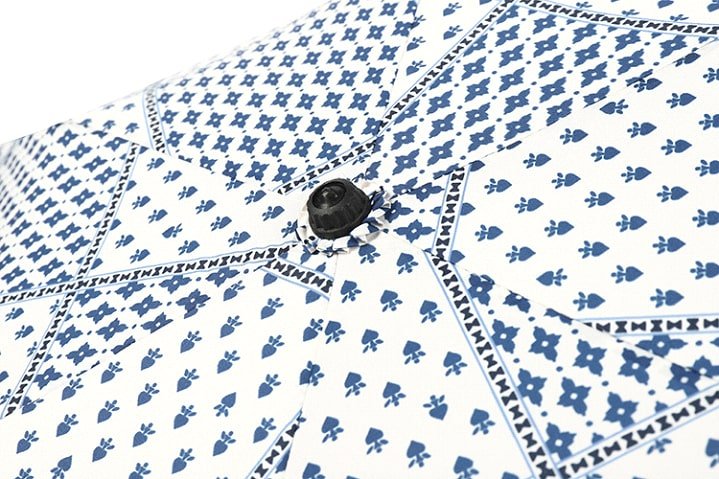
Canopy Date Here are fuve common umbrella fabric materials for your reference:1. Polyester: Polyester is a common umbrella fabric with bright colors, but it tends to show creases when folded and can be challenging to smooth out. It usually doesn’t have strong UV protection, though you can improve this by adding a silver coating. 2. PG Fabric: PG fabric, also known as touch fabric, typically has a matte finish and darker colors. It feels a bit like cotton and is good at blocking light. It’s often found in high-end umbrellas due to its higher cost and reliable UV protection. 3. Nylon Fabric: Nylon fabric is another high-end option, known for its vibrant colors and silky texture. However, it can be affected by humidity, leading to fabric shrinkage that may affect the umbrella’s opening and closing. 4. Transparent Plastic: Transparent umbrellas have become popular lately. They’re usually made from materials like POE (polyolefin elastomer) or PVC (polyvinyl chloride) plastic or EVA and may feature various patterns and colors. 5. Foldable Black Coating: This fabric has some advantages compared to others, such as being less prone to aging, reducing temperature under sunlight, and offering excellent UV protection. Each type of umbrella fabric has its own characteristics and uses, so you can choose the one that suits your needs and budget. GET A QUOTE More articles
Bubble umbrella
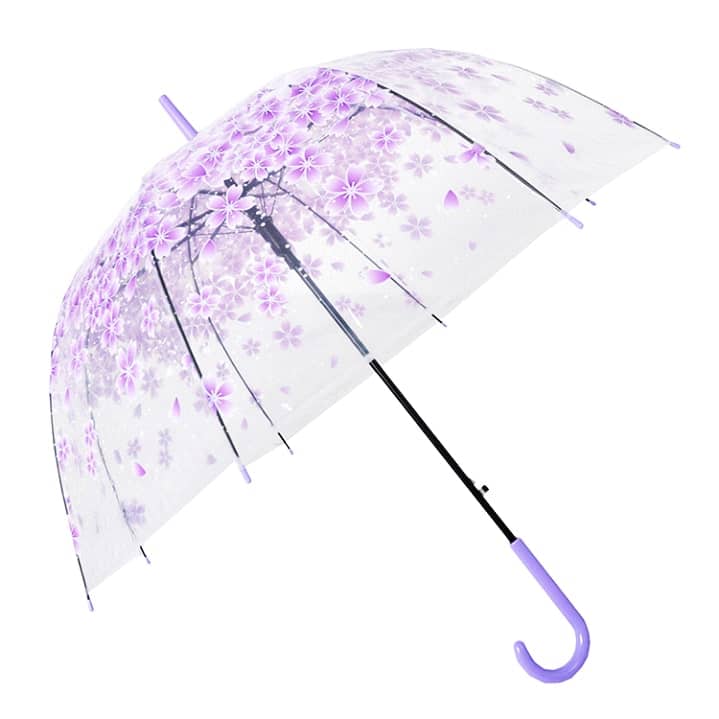
Bubble umbrella Date A bubble umbrella is a specially designed umbrella characterized by a transparent plastic canopy, typically made of materials like PVC or PEVA. This transparent material allows users to maintain some visibility on rainy days while keeping them dry. The name “bubble umbrella” comes from the appearance of the canopy, resembling bubbles. Bubble umbrellas come in various designs and sizes, including regular hand-held umbrellas, folding umbrellas, and golf umbrellas, among others. They can also feature different colors and decorations to suit various fashion and personal preferences. Bubble umbrellas are highly practical on rainy days as they not only protect users from getting wet but also maintain clear visibility. They are commonly used for urban commuting and everyday life, especially in situations where staying dry is essential. GET A QUOTE More articles